Tom Bloom
Co-creator of Lancer, co-founder of Massif Press
We sat down with Tom Bloom, co-creator of Lancer, to talk game design and running your first game: his favorite RPG, the hardest part of building Lancer, broken builds, a second edition, and what he's making next.
Tom's games
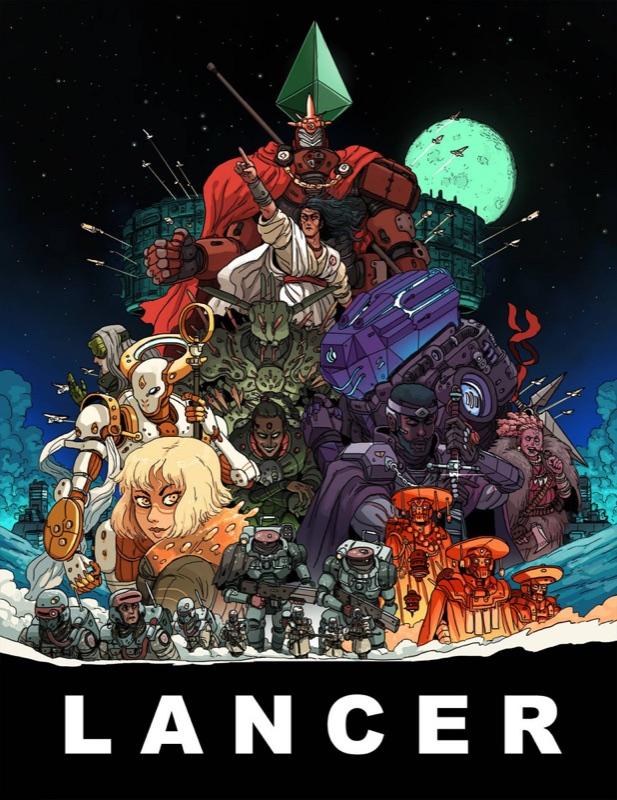 Lancer Mechs and pilots, from Massif Press. The player rules are free.
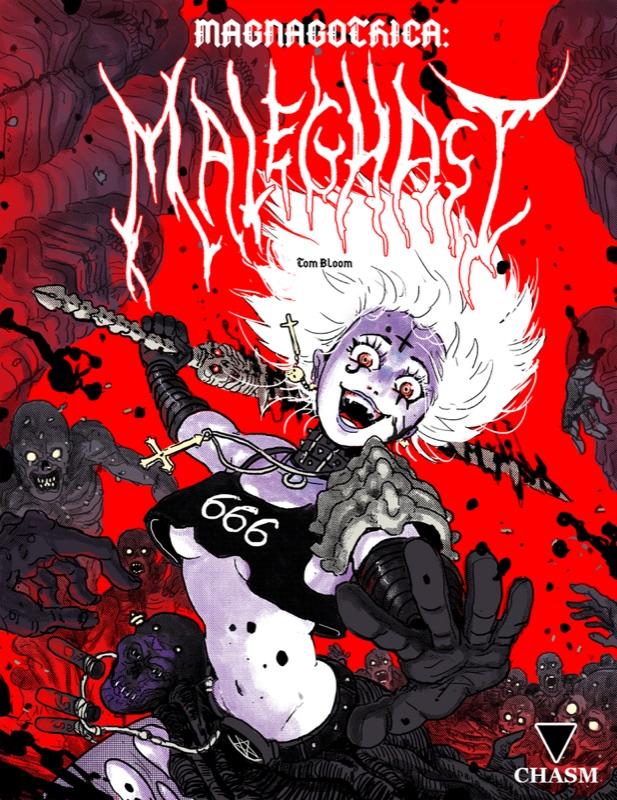 Maleghast A heavy metal war game, built for VTT, now with minis.
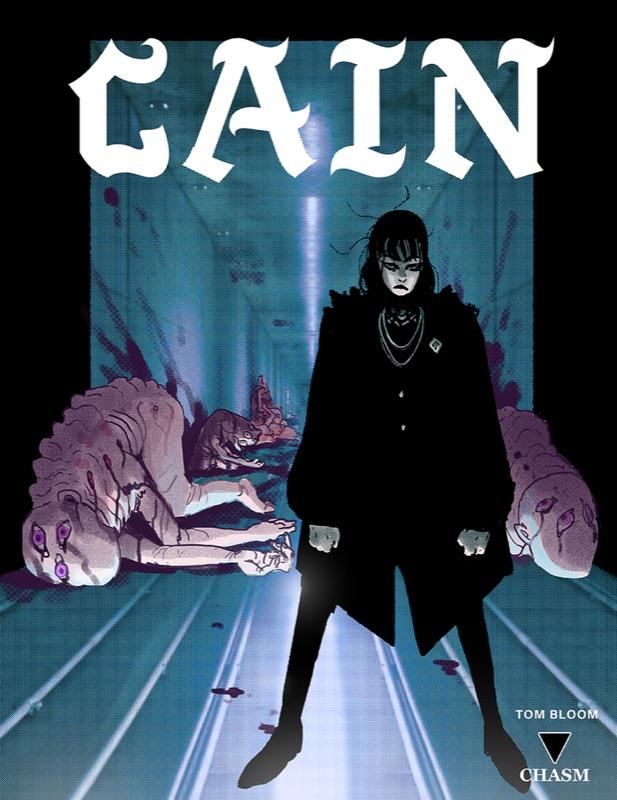 Cain Psychic soldiers hunting monsters made of human trauma.
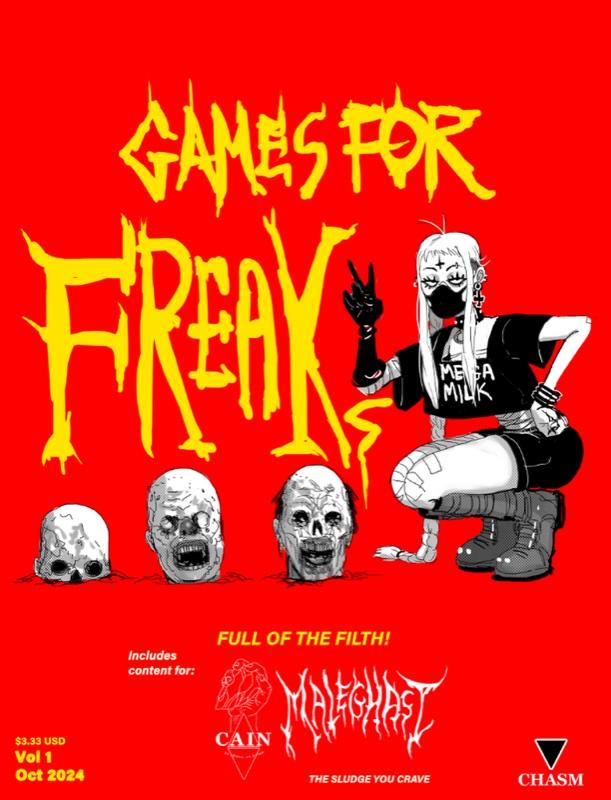 Games for Freaks Tom's zine, with new rules for Cain and Maleghast. The back issues are free.
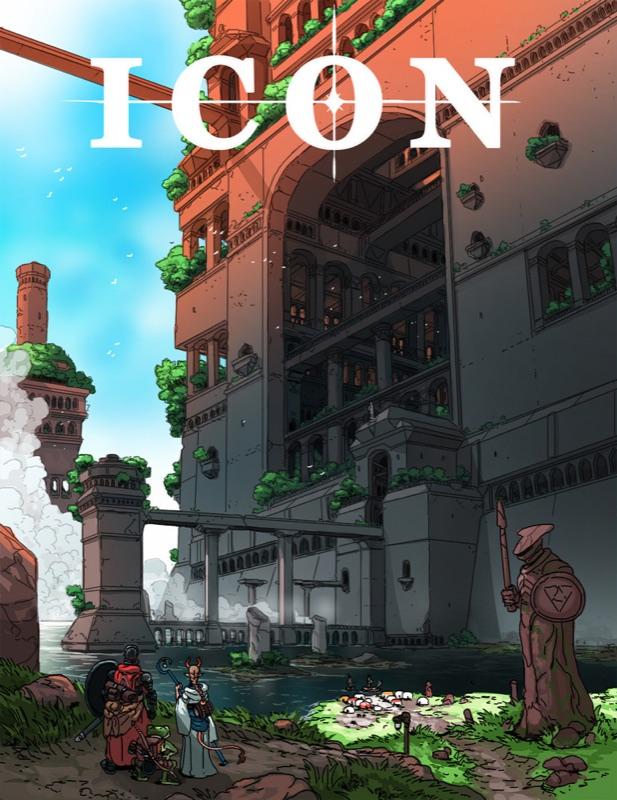 ICON Tactical fantasy, still in progress. The old playtest is free.
Chapters
- 0:00Meet Tom Bloom
- 1:00Tom's favorite RPG: Blades in the Dark
- 4:16What Lancer borrowed from Blades
- 5:06Is Lancer a miniature skirmish game?
- 7:36The first games we ran
- 8:25Advice for new GMs
- 11:16The hardest part of designing Lancer
- 12:32How to stop broken builds
- 16:27Design for the table
- 17:41Why push your luck stays out of combat
- 20:00Will there be a Lancer second edition?
- 21:37What Doom teaches about game design
- 24:26Design for 10 to 20 sessions, not 50
- 26:25ICON and the racing game
- 27:12Boss fights in ICON and Lancer
- 29:07Cain, Maleghast, Farfield and more
- 32:58Wrapping up
Transcript
Lightly edited for reading. Tom cusses. A lot. We starred out the worst of it here; the video keeps every word.
0:00Blaine: We're with Tom Bloom, one of the co-creators of Lancer, and a list of other things.
0:13Joe: Looking up Tom's resume, it's pretty impressive. Game designer, illustrator, comic creator, co-founder of Massif, and a number of games in the works. One I was most excited about was ICON, which I understand uses the Lancer system?
0:31Tom: It's like an updated version of it, but it keeps circling back to Lancer. The more I design it, the closer to Lancer it gets, which is very funny to me.
0:41Joe: Part of what started this interview was that we got to play Lancer, and it was a huge hit at our table. We were hoping to get you in front of our viewers to answer some questions about your experience, especially around game design and your thoughts for new GMs.
1:00Joe: What's your favorite RPG that you didn't make yourself?
1:04Tom: Easy one. And by the way, I'm a f***ing yapper. Also, is this for YouTube? Can I curse?
1:11Blaine: Yeah, you can curse. We're not monetized anyway. We're doing this for the passion.
1:34Tom: Oh, sick, then. Blades in the Dark. Easy answer. Blades in the Dark, man.
1:43Joe: Love that game. I played it once and really liked it. What's your favorite thing about Blades in the Dark?
1:49Tom: It has a lot of procedure to it. It's rules-light, it's narrative, but the procedure is really clever, because it basically asks you to negotiate rolls. It mechanizes that conversation between the player and the GM, so everything you do feels very negotiated and very fair.
2:13Tom: In D&D or a traditional system, OSR or whatever, the GM has a lot of control over rolls. GMs will just say, make a check for me right now. There's no real conversation about the framing of that check, so it can feel a bit unfair to players and get sprung on them, because there's no guidance in the game for when you should be making rolls or how many. You ever try to open a door in Dungeons & Dragons with an inexperienced GM? You go to open it, you roll a 12, and the GM's like, the door doesn't open. Great. Do I just sit here and roll more checks? It's really naff.
2:48Tom: Whereas in Blades in the Dark, it's like: you want to do what? Okay. How effective is that going to be, and how risky is it going to be? The game actually asks you to think about this. So by the time you get to the roll, all the outcomes have been negotiated, which is really nice, because it allows you as the GM to be mean. Be f***ing mean. You can say, yeah, you could try this, but if you fail, you're going to fall off the roof and break both your legs.
3:14Joe: There's consequences.
3:16Tom: And the player has to say, yeah, okay, that sounds good. So when they roll and fail, the GM's like, it's time for you to break your legs, motherf***er. And they're like, oh, s***. Okay. You know what's happening.
3:31Joe: Blades in the Dark has been a big inspiration for a lot of designers. I've noticed it a lot more: if it's a risky task, let players know the consequences of their action. Daggerheart talks about that. Shadowrun talks about that. I think it's a new trend in RPG design, being open about the consequences of failure, so it's your job as a player to mitigate the risk if you get the chance.
3:53Tom: And you give players tools. Players have a lot of tools to affect the narrative, so the GM is negotiating around that. It's very player-initiative. Players say what they want to do, and the GM goes, all right, let me think about that. I really like that. It feels fair. And it has a lot of procedure, because you basically know what you're doing. You're doing a heist, or you're doing downtime.
4:16Tom: I kind of borrowed that for Lancer, actually, because I like it to be really clear what you're doing in the game. I don't want to waste time f***ing shopping, or sitting in a tavern going, what are we doing for the next quest? No, man, you're going to rob this guy. That's what we're doing next session. Easy peasy.
4:31Joe: Stick to the fun stuff and the story. Skip the rest.
4:35Blaine: As we get older, we have less time. My buddy's trying to start an AD&D game, and it's super crunchy, and I'm like, bro, I don't miss this at all. I have nostalgia for it. I don't want to relive it. It's like high school. I loved high school. I don't want to go back. I have maybe two to three hours to game a week. I don't want to spend three hours making a character that might die in the first five minutes because I only have four hit points.
5:06Joe: So your favorite RPG is Blades in the Dark, a pretty lightweight narrative game that isn't focused on combat. And you went from that to designing Lancer, which is very tactical. In our video, we called it a miniature skirmish game with RPG elements.
5:21Tom: Oh, yeah. But see, here's the thing. I think sometimes people use that as a pejorative. But don't you enjoy miniature skirmish games? I love them.
5:31Joe: That's one of my favorite things about it. This is the miniature skirmish game I always wanted. Lancer does miniature skirmish games better than most miniature skirmish games, and it does roleplaying better than a lot of roleplaying games.
5:40Tom: Oh, thank you. I have a miniature skirmish game, if you really like that. It's a heavy metal war game called Maleghast.
5:55Joe: I didn't realize you were the writer. I've seen the cover.
5:59Tom: Yeah, it's the one with the lady going crazy. It's like six bucks, by the way. Less than a sandwich. And they did minis for it recently, so you can actually buy minis for it. Have you played Draw Steel at all? I f***ing love Draw Steel. Huge fan.
6:24Blaine: I loved it. The negotiation system is the one I judge all RPGs against. And the montages. My group didn't like the combat as much, though, because you always hit. No crits, no fumbles, and those bring a lot of good moments at the table. That was their one dislike.
6:45Tom: It does suffer from a bit of determinism, I think. Randomness is very important.
6:54Tom: But it has nice tactics. The tactics are phenomenal. People got really down on fourth edition D&D because it was too gamey, too board-gamey. To which I say, what the f*** is wrong with playing a f***ing board game with your friends and having a good time? That's how Lancer is. Let's play a little war game with our friends and do a little light roleplaying, and then we get out of our mechs and yap about it. I enjoy that a lot.
7:20Blaine: Honestly, it's the best mech game I've played. You want that tactical feel for mechs.
7:27Tom: The most important thing about a mech game is that you feel like you're playing a mech game.
7:34Joe: And you feel that in Lancer. So, talking about AD&D and Blades in the Dark, what was the first game you ever GMed?
7:42Tom: Dungeons & Dragons third edition.
7:44Joe: Nice. I started with Rifts, but that was the first game I GMed as well.
7:50Tom: Rifts is a strong start.
7:52Blaine: We were both Rifts starters. It's a weird thing to have as your first one. AD&D was my first one running.
8:00Tom: Third had just come out, I think. We played a little bit of second and third edition.
8:08Blaine: I worked at a comic book shop in California when third edition came out, and I spent most of my paycheck on it every time. Those employee discounts are brutal.
8:19Tom: That's actually how I met my co-writer. He was playing D&D at school, and we met in that game.
8:25Joe: Thinking back to those days and your first time running D&D third edition, what would your advice be to new GMs starting with games like Lancer, Cosmere, all these amazing new games coming out every year? What's your advice for new GMs generally, and for new GMs starting with Lancer?
8:46Tom: Don't be afraid of getting all the rules right at first. Just f***ing play it. You're going to learn by playing and running games. You're not going to get it perfect every time. I didn't know what the f*** I was doing with third edition D&D. We weren't playing the rules. We were in middle school and high school. We didn't know anything. Just try it.
9:09Tom: The other thing I'd say is that it's really important to set tone and expectations at the table before you even start. Your players come in, and you go: hey, we're playing Mörk Borg. You might die. You might get your head bitten off by a monster in the first session. That's the kind of game it is. It's heavy metal, ridiculous dark fantasy. We'll probably play for three sessions and have a great time. Don't come into your Mörk Borg game with five pages of backstory.
9:43Tom: I think that's the most important thing. If everyone shows up knowing what they're doing and what to expect, you'll have way less friction. When I run a game, I always tell people: here's what we're up to. It's going to be about this, we'll run it for about four sessions, and then we'll see.
10:01Joe: So, setting expectations and focusing on the story. If you get some of the rules wrong, you can worry about that after the game.
10:09Blaine: I write a GM tip for our website, and one of the recent ones was about how, when we were kids, we didn't care about the rules. We didn't care about being silly. We just played, had fun and figured it out. Don't be scared of all the rules that come with it.
10:29Tom: Just know what kind of game you want to run, and then tell your players very forthrightly. Some people have a problem where everyone made silly characters and nobody had a good time. Well, you should have told them you were going for a more serious, grounded tone. If you tell people, they'll generally buy in. It's much better for everybody.
10:48Blaine: That's why session zero is so important.
10:51Tom: For sure.
10:53Joe: I started really requiring session zero for my own games, for the reasons Tom's laying out. It sets the tone and makes sure my expectations are communicated, but it also means I understand what the players want out of me. We're all on the same page, and nobody feels left out or like this wasn't the game for them.
11:15Tom: A hundred percent.
11:16Joe: So, Tom, reading Lancer, there are a lot of really cool mechanics. Which part did you struggle with most when writing it, and which part went through the most iterations?
11:27Tom: It's the combat. It was a pain in the ass to figure out, man. All the mech building. The thing is, I'm a maximalist designer, to a degree. I like big, intricate systems, because that's what character creation sickos like, and I'm one of those people. I like building games where your player power expression is figuring out something really cool to do and doing it.
11:52Tom: When I played Draw Steel, I figured out you can do air combos with the Fury class. You can knock people around in really fun ways. That's where I found my fun, knocking people through walls and doing cool s*** with the whip. So for Lancer, it was important to me that you felt like you were building a mech out of all these different bits, and building it to do some really sick s***. The problem is that there are 29 frames in the base book, they all have about six pieces of gear, and you have to make those play nice with each other. That was a huge f***ing pain in the ass.
12:32Joe: That was one of our other questions. How did you prevent broken builds? Mixing and matching is one of my favorite features. No two mechs are alike.
12:44Tom: There are two things I'll talk about. And forgive me, I do yap, so I'll try to be concise. The first is that I made a lot of concessions to simulationism that I wouldn't make now. I'm a much better designer six years later. I was always thinking about how 3D space works. When Lancer started out, you could strap as many guns to a mech as you had arms. There was an arm mechanic. That was dog s***. That was a bad idea.
13:18Tom: Originally you had EP, external points, for your mech, and IP for internals. There was no mount system. So people spent all their points adding more arms to their mech so they could shoot more pistols, and they'd take like 10 attacks a round. I was like, this is not working.
13:49Tom: I didn't understand game design the way I do now. People will always find the game in the game. Some level of verisimilitude is very important. You need buy-in. You have to really feel like you're in a mech, or like you're a hero casting magic spells. But at the end of the day, people are going to look at the rules, use the tools on the table in front of them, find the game in it, and break it if they play long enough. You have to look at that.
14:32Tom: For example, flying in Lancer was at one point the best thing you could do for damage. You'd pick another mech up, fly 60 spaces into the air, drop it and kill it instantly. At some point you have to look at that and go, let's not. People also ask why the ranges are so short in Lancer. It's because it's a war game, and we're not going to have people tracking, I shoot this guy from 500 feet away, or whatever the f***. Nobody really cares. We're all playing a game on a board with other human beings.
15:07Tom: The other thing was getting the baseline right. As long as the baseline system is good, you can design around it. But I didn't realize that at the time. I was looking at the damage of everything and thinking, how much damage should this gun do? It's a big gun. Instead of: something that costs one action should do this much damage, and something that costs two actions should do this. I've become much more focused on that kind of design, where I'm seeing the matrix in the background. Back then I was stuck in D&D brain: a greatsword should do 2d6, because it's a big weapon. That was the wrong way to go about it.
15:52Tom: You have to be very design-focused to get things right. And it took a long time. It took a lot of public playtesting, two and a half years of people going, what the f*** is going on in your game? What is an attack? Does an attack start when you take the action, or is it done when it resolves? You have to get Magic: The Gathering brain about this s***. But the playtesting shows me the game.
16:18Joe: It does. Because despite how much is there, it still feels clean and understandable. The formatting and the editing all make perfect sense.
16:26Tom: Thank you.
16:27Joe: I wish more designers would focus on playtesting. One of our biggest disappointments this year was a game that went through almost none of it.
16:35Tom: Oh, which one?
16:37Blaine: An RPG. Absolutely brutal. I've been very vocal about my venting on it. I just did an unboxing, and most of my miniatures were broken. It was just an all-around s*** show.
16:54Tom: I have a big belief about game design. It's my number one thing. You should always design games to be played by other human beings at a table. If it doesn't pass the sniff test there, if it hits the air and falls apart, you haven't designed a good game. The game has to be played with other people, at a table, in a reasonable time frame. We should leave the rulebook to the side and not touch it at all while we play, and it should run smoothly. Everything I've done is to get that right.
17:23Tom: You can be a game designer and design lots of games with intricate systems and status effects and s***. But if nobody can run it smoothly at a table, and the actual experience is miserable, no one's going to play it. I think people neglect that a lot in the field, man.
17:41Joe: One of our favorite mechanics in your game was the push-your-luck mechanic outside of combat. It gave players agency over success and let them mitigate failure. The players felt like they were making meaningful decisions when they decided to push their luck. And we were actually using it in combat for the first two hours of play, not realizing it wasn't a combat mechanic.
18:05Joe: It wasn't bad, though. We loved it. Why not include it in combat too? What went into your decision to leave it out of combat? I know overcharge lets you take an extra action. But if we played Lancer again, our house rule would be to bring that mechanic into combat.
18:27Tom: Interesting. Initially it was purely for the narrative side. It's to give players agency over failure. I think there are other ways to do it in combat that don't need an extra step. The way Draw Steel does it is pretty smart, with some caveats: you're always making progress, always getting damage on a miss. Lancer has the two-action thing, so if you f*** up your first action, you still have another one, and some stuff does damage on a miss. I just never thought about bringing it into combat. For me it was purely a narrative mechanic.
19:08Blaine: We had a new GM running it, and he did it well. He'd let us choose how we stumbled and failed, like falling prone, or having a weapon jam and spending an action to unjam it. He did a great job for a first time. And then I realized, oh wait, overcharge is our way to get an extra action.
19:30Tom: If I put it in, it might be too much, between the heat management and everything else. It'd be a lot to manage. And I think the problem with systems like that, where it takes a bit of GM improv, is that they put a lot of weight on the GM to come up with novel situations all the time. Eventually you have to start writing extra rules for it.
19:52Blaine: That was my problem with Daggerheart.
20:29Joe: So, Tom, you mentioned you've grown a lot as a designer in the six years since you published Lancer. If you were writing Lancer today, would you do anything differently?
20:10Tom: Oh, yeah. At some point I'm going to do a second edition of that game. I can't say anything about it, because it hasn't been written. It's literally a text document right now, a couple of pages long, just on my computer. Lopez and I have had talks about it, but we haven't done anything substantive. So I won't say anything about when it's coming out. Hint: a long time.
20:35Tom: But you'd have to look at ICON, actually. The edition on itch.io right now is very old. I've been playtesting a newer one in various places. I'm trying to hammer out the tactics game, to get a version of the tactics engine that I like and that's easier for me to pull the levers on.
21:01Tom: It's a very interesting problem. As a designer, you want a system that's somewhat predictable and built on very tight, very solid foundations. It's constrained. Actions can only do a certain amount of damage. Players can only do a certain number of things. But players really like freedom. They like randomness. They like chaos, but not when it's bad for them. They like chaos when it's good for them. They like things a bit more unhinged, a bit more unlimited. You have to strike a balance between the two.
21:37Tom: Have you ever played the new Doom games? There was 2016, and then Eternal. Between the two of them, there's a very interesting encapsulation of the design problem. In the first one, they focused purely on the feel of the game. I think it was the better game. But the designers noticed that everyone hits a certain point and just uses the super shotgun and the rocket launcher to solve all their problems. You could basically go through the whole game with one play style.
22:20Tom: So in Eternal, they made it so different demons had specific counters, and you couldn't just play the way you wanted. You had to do this weird little combat dance, always switching weapons. It was much more designed, but a lot of players didn't like it as much, because it restricted player expression. They had to play the way the designers wanted. It was challenging and interesting, but you couldn't sit down, relax and enjoy it.
22:55Tom: I think it's the same for TTRPGs. It's hard to design a game tightly without it becoming not fun, or leaving no room for players to play the way they want. I've had a hard time with that, versus a game that's a lot looser but might have problems with balance, or certain builds being too strong, or the rules being funky. There's stuff in Lancer, like bits of action ordering, that people who've played for hundreds of hours run into and say, you've got to fix this. Damage isn't balanced as tightly as I'd like. But as I've turned those levers in my other games over time, I've found it becomes too restrictive.
23:46Tom: For example, I've thought about taking rolled damage out completely, like Draw Steel. Very fun game. You don't roll damage, you just do flat damage. It speeds things up a lot, makes things less random, and no one really misses it. But I think players do like a little bit of randomness.
24:05Blaine: At my table, they do for sure.
24:08Tom: Like you said earlier, one of the big [complaints] people have about Draw Steel is that you always get a certain band of results. You don't get many crits. And crits are really fun. As a designer, you might think that's a pain in the ass to balance, but it's fun for players. And again, the number one priority: is it fun to play? Can you put it in front of a bunch of humans and have a good time for a couple of hours? That's number one.
24:29Tom: I think you always have to design for the people who are going to play your game for 10 to 20 sessions, and not the people who are going to play it for 50, because those people will never be happy.
24:43Joe: So let players play your game the way they want to. I've seen some videos about the new Zelda game. For a lot of Zelda players, it started with Breath of the Wild, and the sequel is the first time they don't have to replace a weapon that breaks every single time. There's this freedom: I can just always use the Master Sword. In Breath of the Wild, people scanned amiibos over and over to cheat the game, and reset the Switch's clock so they could do it again five minutes later.
25:23Tom: That's a good example. As a game designer, you'd say breaking weapons forces you to explore and find more weapons, so you can't just rely on the strongest one. It's a clever piece of design. As a player, you hate it, because you found a cool weapon and you're never going to use it.
25:46Tom: I've run into that a lot with tactics game design. The new one I'm working on, the fantasy one, ICON, now has 48 classes in it, and they all interlock the same way, like Lancer. Balancing all that has been a pain in the ass. You need it to be a little bit tight at the base. But I've had versions that were too tight, and players said, this isn't fun anymore, and I'm like, damn it, I have to loosen up. Anyway, Lancer will get some updates eventually. We'll make a second edition, and it will be more like ICON.
26:25Joe: Is ICON the next one on the list to get out?
26:28Tom: No. It's too much work. It's a big project. I have a hyper racing game coming out at some point next year. It's like F-Zero or Redline.
26:47Blaine: We got into Gaslands.
26:51Tom: It's a little more abstract than that, but very, very fun. I've tested it a fair amount, and it's a great time. ICON is down the line at some point. It's a 450-page game, and I'm one dad. I'm the only person working on it, doing all the art. It's a pain in the ass. It's a ways down the line.
27:10Joe: What are your favorite design changes in ICON from the original Lancer rules?
27:18Tom: Like I said, over time it's gotten a lot closer to Lancer. But I think it's a tighter game in general. The layout of everything is a lot tighter, and there's a lot more keywording, which helps the rules be clearer. If you've played a lot of Lancer, you'll sometimes run into stuff that's too naturalistic. I think games should clean their language up so it's as clear as possible. I'm a big believer in that.
27:49Tom: I'm also really proud that, again, it's very maximalist. It's got f***ing tons of stuff in it. And it has boss fights. The NPC roster in ICON is a lot tighter than Lancer's, and one of its features is pre-built bosses you go fight, with phases and different attacks.
28:21Blaine: Have you seen Twilight Sword? It's pretty much the Zelda RPG. They have phased boss fights like that. It's from Two Little Mice, and it has a new campaign going.
28:36Tom: I think that's one of the things I'm going to bring back into Lancer: more precisely designed fights. Right now in Lancer, the boss fights, the Ultras, are like a template you throw at somebody. I think it'd be really cool if you could throw in a very specific fight. There's this boss fight, you go fight this giant mech, and it has all these parts you can destroy and blow off. I think it'd be more fun.
29:07Joe: Well, Tom, I think we're running out of time.
29:10Tom: Yeah, we are. The timer just popped up.
29:12Joe: Anything you want to tell our viewers about? Any projects you want to get out there?
29:18Tom: Yeah, man. I have an annual or biannual zine called Games for Freaks. If you want a sampling of my work, all the back issues are free. The current ones are like six or seven bucks. tombloom.itch.io is my solo work, for Chasm.
29:39Tom: I have a heavy metal war game called Maleghast, which I think f***ing rips. They just did a minis Kickstarter for it, so you can buy minis for it on MyMiniFactory if you want to play in person, but it's built for VTT. And I have a game about playing psychic death soldiers for an international monster-hunting organization, called Cain.
30:03Joe: Oh, that's sick. We saw Cain on your profile. One of my favorite IPs is Delta Green. Terrible system, amazing IP. So maybe Cain is the system I've been looking for to run Delta Green.
30:18Tom: Cain started out a lot more Delta Green. Right now I'd say it's very Jujutsu Kaisen. Very anime. It's your shonen urban supernatural investigation thing. It's a bit Evangelion, a bit Mob Psycho, very Chainsaw Man, very Jujutsu Kaisen.
30:36Joe: That sounds amazing. We've got to get our hands on that.
30:40Tom: It's a blast. You get all kinds of f***ed-up psychic powers, and you're fighting monsters made of human trauma. Part of the game is investigating the trauma that gave birth to the thing, so there's real weight to investigation. Half of it is running around someone's hometown going, how sad was this guy? Because he made a ghost we have to go kill now, and if we know how sad he was, it's going to help us.
31:10Joe: That's really cool.
31:11Tom: Quinns from Quinns Quest described it as having to go fight someone, but instead of a knife, you have a lemon and a piece of paper. All the powers are like: well, I can throw things, but only if I'm touching them. Or I can ask doors to open for me. And if I can find a hammer, I'm going to be able to f*** this guy up. They're all kind of weird.
31:34Tom: One of the powers is like future sight. But instead of being cool, you have the ghost of your own future death hanging out over your shoulder, and he's an asshole. You can ask him to reveal the future to you a little bit.
31:51Blaine: I get to play an asshole as the GM. That's perfect.
31:56Tom: There's lots of that. And like I said, I've got a hyper racing game I'm working on that'll probably be out sometime next year. More Games for Freaks. ICON will come out eventually, but again, it's a huge game, and I'm so tired. And eventually, down the line, we'll be working on Lancer second edition.
32:14Tom: Oh, and Farfield will be coming out sometime, next year or the year after. It's in the Lancer universe, and it's the first game Massif will publish that isn't Lancer. I'd describe it as Lancer Star Trek. You play the science teams that go out to explore unknown worlds, survey things and make contact with people. If you ever wanted a good Star Trek game, that'll be coming out. It uses the Wildsea system.
32:52Joe: You're juggling a lot right now. A lot of irons in the fire.
32:56Tom: Yes. Three jobs, two kids, one dad, zero time.
32:58Blaine: Well, we appreciate you giving some of that time to come on with us. Despite how busy you are, you do great work, Tom, and we're looking forward to those games, because we love Lancer.
33:12Joe: I really want to see Cain. Cain sounds freaking awesome.
33:18Tom: It's 10 bucks, too. All my solo games are $10 and under. Super accessible.
33:27Blaine: That's a great value. Cheap and quality.
33:32Tom: And the mag comes out once or twice a year. There are four issues out, and there'll be another one next year with more stuff for it. That's how I do things.
33:40Joe: Awesome. Well, Tom, thank you for joining us. Really appreciate it. I'm looking forward to reviewing your work as it comes out.
33:48Tom: Thanks so much, guys. Sorry if I yapped a bit. Nice to talk game design with you. Take care.