It's About Sending a Message
Players play the game you teach them, not the one you describe
By Blaine · · 6 min read
Greetings all,
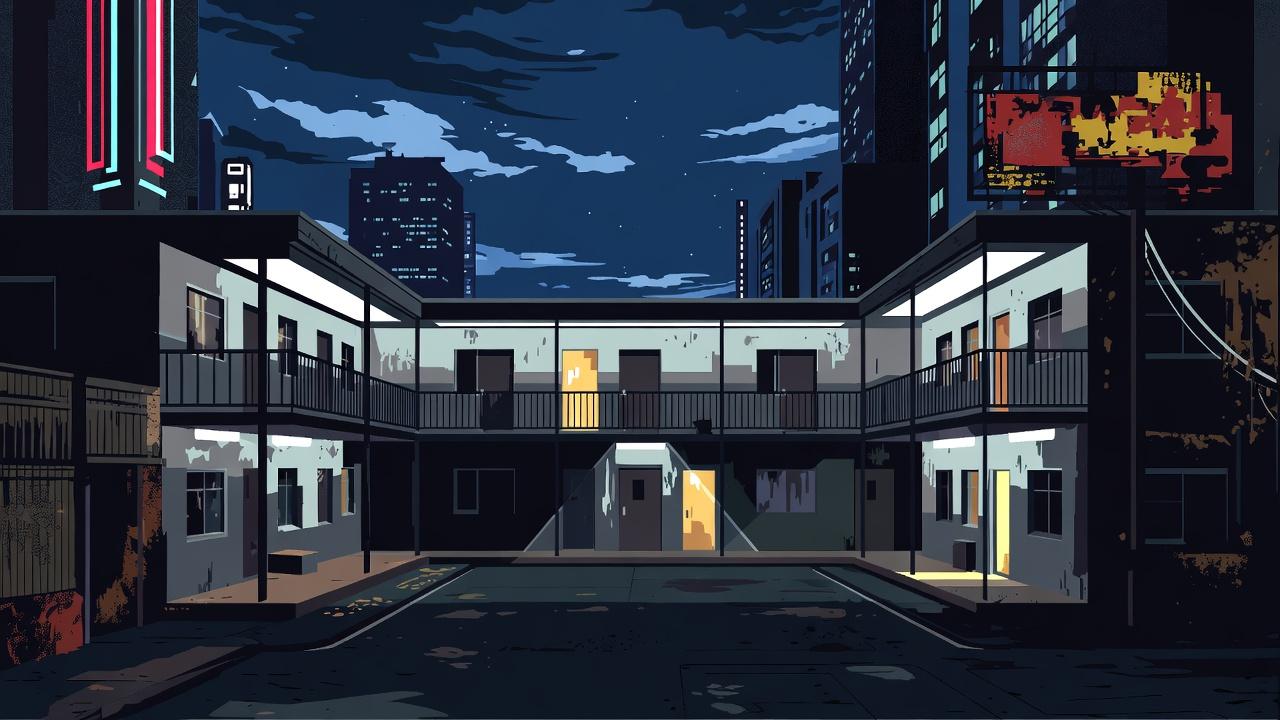
Earlier this week, in Every Room Has Neighbors, a cheap hotel in Watson taught my players that fights have neighbors. This one's about the lesson that has to come first. In Session Zero Ends Before the Tavern, we covered the session where nobody meets anybody. This is the session right after it, when the dice finally come out and your players find out what kind of game they're actually in.
Session 1 of a new Cyberpunk campaign. The gangers came for the building on a job from a corp. Somebody wanted the land for a new project, and the tenants were in the way. Clear them out, however it takes.
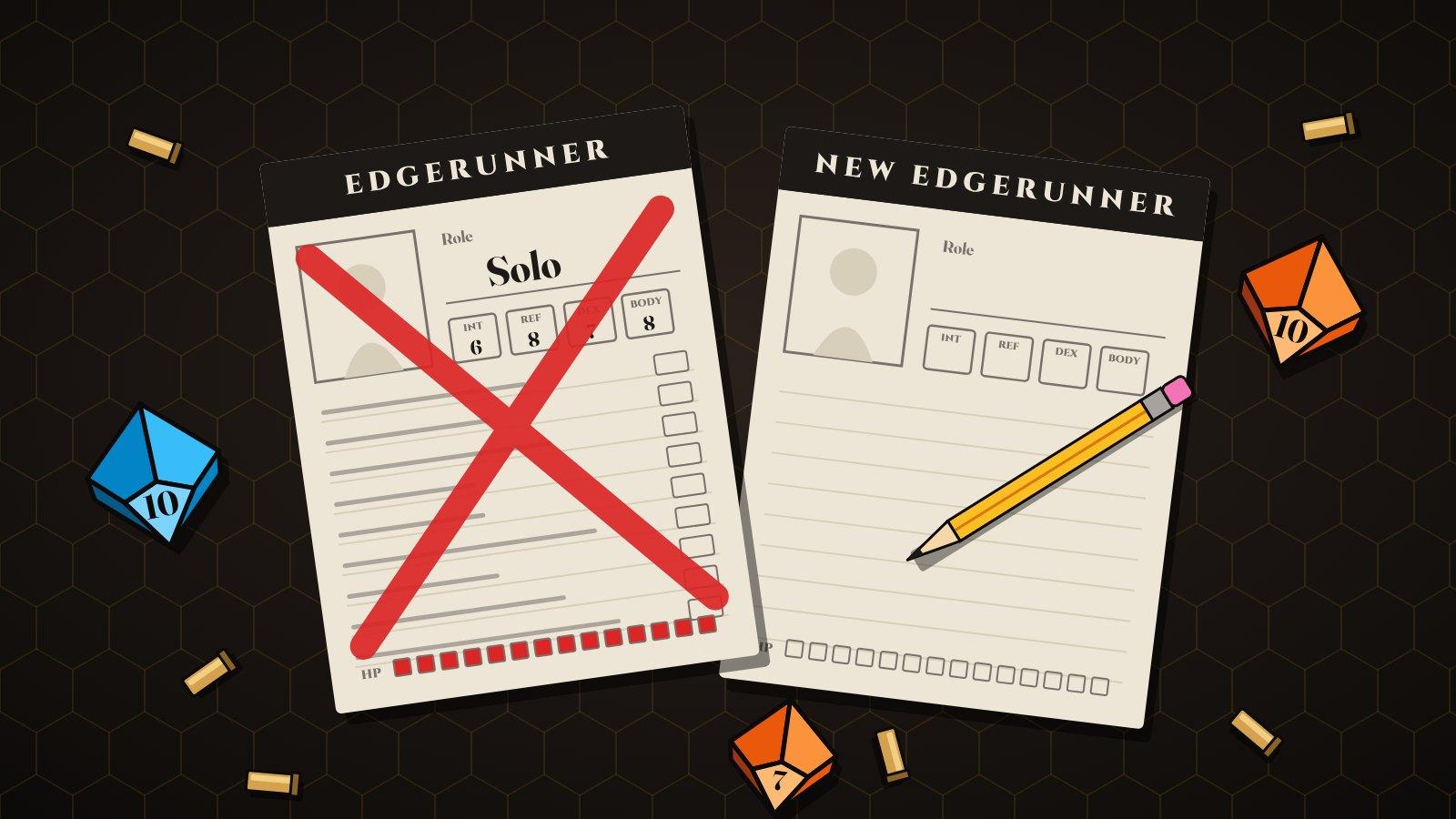
Two of those tenants were my players. My wife, Monica, was running a Solo. Mike was running a Rocker. It was their shitty apartment, and they weren't leaving it.
So they fought for it. And then I rolled autofire with a machine gun, and the dice came up good.
Monica's Solo was dead.
What we did next is the part I want you to steal. I'll get to it at the end.
Players play the game you teach them
Mike's instincts came from D&D and Pathfinder. Games where a party of heroes can walk into most fights and walk back out. Nothing wrong with that. But that's what he'd learned, and instincts don't reset because the book on the table has a different cover.
I said it earlier this week: players come in on hero fantasies. That's true of most players you'll ever run for. They play the game their last GM taught them. If the last campaign was a hero fantasy and this one is grimdark, where the smart move is to run, or to win the fight before it starts, somebody has to teach them the new rules of survival.
And here's the uncomfortable part: telling them doesn't work very well.
Session zero tells. Session 1 teaches.
In the Session Zero post, I told you to put your house rules on one page and hand it out. I stand by that. Paper settles arguments.
But paper doesn't teach anybody how a game feels. You can write "this game is deadly" in bold at the top of the page. You can say it out loud, twice. Most players won't read the handout past the first line, and they won't remember what you said. They'll remember what happened in session 1. If that.
So in session 1, skip the speech. Give them something they watch happen.
Show them what game this is
Heroic
If your players are supposed to be heroes, give them someone who isn't. The village tough guy. The captain of the guard. The monster comes, and he steps up, and his best swing barely scratches it. Describe it. Let the players watch him get thrown into a wall.
Then your players step up, and it goes differently. Let the first big hit land big, and describe it like the climax of a movie. Afterwards, let the village react: somebody asks their names, and the kid who hid under the cart wants to carry their packs. Nobody has to tell them they're special. They watched the guy who was supposed to handle it fail, and they watched themselves succeed.
Deadly
If your game kills people, let it kill someone early. An NPC they liked, right in front of them. Or a player character, even one that gets brought back, so everyone feels how close the edge is. Or the whole party ends up bloody and barely scratches the monster, and the only reason they live is that it decides to leave.
Show them the damage before it lands on them. Let the enemy drop an NPC in one hit while the players are still rolling initiative. Roll your attacks in the open, so nobody can tell themselves you're fudging to keep them alive. Players who survive a fight like that start thinking before the next one. They check exits. They talk first.
Sandbox
If the players are supposed to steer, prove it in session 1. Put two or three hooks in front of them, each with a person attached and a reason it can't wait. Don't push any of them. When they pick one, or ignore all of them and chase something you didn't plan, follow them.
Then let the hooks they didn't pick play out without them. The farmer who begged for help loses his farm. The caravan they didn't guard never makes it to town, and they hear about it at the tavern in session 2. Players coming off a railroad sit and wait to be told where the story is. Once they see the world moving on without them, they start making choices like they matter, because they do.
Intrigue
If the game runs on talking, give session 1 a problem a sword can't fix. A noble who wants a favor before he'll help. A rival who's polite in public and dangerous in private. Give every NPC who matters a want and a secret, and let the players dig for both.
Reward what they actually say as much as what they roll. A good argument should earn advantage, and a lie that contradicts something they said earlier should get caught. And when someone reaches for a weapon anyway, let it work, once. The guards come, the noble's door closes for good, and the information they needed walks out with him. Players who learned on dungeon crawls reach for their weapons first. Once a fight costs them more than a conversation would have, they start listening to your NPCs.
Survival
If supplies are supposed to matter, running out has to cost something. A torch guttering out is a bookkeeping note until the dark does something about it. So when the light goes, let something in the dark snatch the torchbearer. Shadowdark helps set this up, since its torches burn for one hour of real time and everyone at the table can watch the clock run down.
Food works the same way. If the rations don't stretch to the next town, don't just tell them they're hungry. Hit them with fatigue and penalties, then throw them into a light fight, the kind they'd normally walk through, and let them feel how much harder it is on an empty stomach.
The Joker said it best in The Dark Knight: "It's not about the money. It's about sending a message." Same with your torches. Once the dark has taken someone, the whole table counts torches for the rest of the campaign.
These are only a few kinds of games, and only a few ways to show each one. Your table will have its own. But unless your group plays the same system in the same style every time, session 1 is where you back up everything you talked about in session zero. It's where the tone gets set.
Whatever the game, the move is the same: pick the moment in session 1 that shows the table what kind of game this is, and make sure it lands.
Back to the building
Monica had played Cyberpunk before. She was used to it.
So we didn't stop. She rolled up a new character: one of the neighbors on that floor, coming to join the defense. (Yes, neighbors again. I can't help it.) Same fight, same building, new face.
That's the part to steal. A character death that sidelines a player for the rest of the night teaches them the game is punishing. A character death where they're right back in the same fight teaches them the game is dangerous. Those are different lessons, and you want the second one.
And Mike? Mike watched a Solo, the combat specialist, go down to one burst of autofire. He learned quickly that this isn't D&D or Pathfinder. Nobody had to explain it.
Before your next session 1, decide what it's going to teach. Then find your burst of autofire.
See you at the table.
A new GM tip goes up here every Friday.
More GM tips
GM Tip
Every Room Has Neighbors
The question a full GM brain forgets to ask
September 29, 2026 · 6 min read
- Stop Describing Rooms
GM Tip
Stop Describing Rooms
What your read-aloud should tell players instead
July 7, 2026 · 6 min read
GM Tip
The Three Asks
The questions that make your world theirs
June 29, 2026 · 6 min read