Fantasy · Nimble · 5e · Rules-light · GM tools
Nimble Game Master's Guide Review
The easiest monster builder I've ever seen, encounter math you can do in your head, and legendary monsters built like puzzles. Our read-through of the Nimble Game Master's Guide, the GM's half of the fast 5e alternative.
From Nimble Co.
- Format
- Hardcover, PDF
- Price
- Sold as a three-book bundle: $75 for the core hardcovers (sold out), $49.99 for all three PDFs
- Type
- Rulebooks
- Best for
- New GMs, and 5e GMs who want faster, easier encounter and monster prep
Joe no score/20Still working out Mega-Damage.
Read-through: we read this cover to cover but haven't run a session with it yet. Scores reflect the book, not how it plays.
Filed under rulebooks and starter sets. How we score
What works
- The easiest monster builder I've ever seen
- Encounter budgets you can do in your head
- Legendary monsters built like puzzles
- Short stat blocks with only what you need
- Monsters grouped by where you'll meet them
- A simple 5e conversion
What doesn't
- An adventure sits in the middle of the book
- No descriptions of what the monsters are
Not an affiliate link. We don't earn anything from it.
The Game Master's Guide is the GM's half of Nimble, and it might be the best part. It has the easiest monster builder I've ever seen and encounter math you can do in your head, and it treats legendary monsters like puzzles for the players to solve.
What I reviewed
This continues my review of Nimble's three core books. After the Core Rules, this is the GM's Guide, the GM-facing book, if you couldn't tell. It covers GM tips and advice, a bestiary, rewards and a few adventures, which are how the book gives you its setting. That's pretty much everything I need as a GM in one book, plus a little extra. The adventures could end up being a negative. Dungeon Crawler Carl put a pile of adventures in its core book, but this isn't the core book, so we'll see. I read the PDFs, which I got through the Monsters & More late pledge.
Rules18/20
The book opens with GM advice and a few simple rules that every game should follow:
- Rule 1: When in doubt, rule in favor of the players.
- Rule 2: Let players do cool things.
- Rule 3: Be honest and trustworthy.
Each one comes with examples, and one of them fixes something I dinged the Core Rules for. Under "Give More," a great roll gets more than the bare minimum:
When an adventure offers an opportunity for a skill check (e.g., picking a pocket, or the Assess action) and they roll exceptionally well (e.g., 20+), feel free to give more than the bare minimum. For example, on a DC 12 Finesse check to secretly pick someone's pocket: on a 20+ perhaps they find some extra loot. Or, on a 20+ check to Create an Opening, they could get an additional die of damage as well!
I wish this was in the rules, but I guess it makes sense in the GM's Guide. I also like that it suggests failing forward instead of a flat "no, that won't work."
Monsters run differently from players. They don't get 3 actions. They get a move and the action in their stat block, and I love how brief those stat blocks are. They're one of my favorite things about Nimble. As a GM, I loathe all the extra information in a stat block in something like Pathfinder. Unless it's a boss, I'm unlikely to use most of it. I don't need the list of languages the creature knows, or its skills. Nimble does it right.
Leveling up is mostly left to the GM. The book has some suggestions, but it's close to milestone leveling, which is my preferred method.
Encounter budgets are simple. Add up the players' levels, and that's your budget. Spending the whole budget makes a hard fight. Aim for one to three monsters per player, or use a legendary monster for a boss fight. The rest of the math is just as easy:
- 50% of the budget is an easy fight
- 75% is medium
- 100% is hard
- 125% is deadly
- 150% is very deadly
Aim for one to four combat encounters per rest. The one caveat is armored enemies, which shouldn't show up right away: medium armor at level 3, heavy armor at level 8. These monsters are tough, and the players might not have the tools to deal with them yet. It's one more rule to remember, but overall budgeting is very easy.
A couple of pages of "Unique encounter" ideas remind me of Draw Steel's combat encounter objectives. They range from "Moving hazard" to "Can't reach me!" It's a tip I always give: keep combat interesting.
Making monsters has to be the easiest process for building your own monster I've seen. There's a simple chart of stats by level, and you can mix and match for different effects, like a glass cannon whose base stats are level 5 with level 3 health and level 7 damage. Then add an ability. It really is the simplest method for making custom monsters I've ever seen. Evan Diaz told us he spent about 300 hours on that chart so other GMs don't have to, and it shows.
Legendary monsters are meant to be a challenging fight, and Nimble does this well. They get an action after every player's turn. They get more dangerous when they're bloodied at half their hit points, and again at zero, a final act of defiance when they're a few hit points from death and make their last stand. I love it. The legendary builder is as easy as the regular monster builder, and the book leans into the idea that a legendary monster should be almost like a puzzle the players need to figure out.
The GM advice is a wealth of good information for new GMs: cut scenes, vignettes and more. It spans a few pages that also cover magic items and secret spells. I really like the lodging boons, which come in minor, major and epic. They encourage resting somewhere safe and give players a use for extra gold. They're also handy when you know a tough fight is coming and there's a chance to rest first.
The book wraps up with a 5e conversion, and it's beautifully simple. You can reuse all your 5e adventures with this better system.
Setting15/20
The setting is interesting. It's brief, like the whole book, but there's enough to spark ideas and build on. It starts with the Valley of Hope, with points of interest and encounter ideas, then Merivale, a small village with a few NPCs. Next comes Farhope, a larger port city with factions and more points of interest, followed by a short adventure. It follows that pattern for a few more regions, including the Withering Dunes and the Iceforge Mountains: points of interest, encounter ideas, and a short adventure in each.
Layout16/20
After a short section on running monsters, the book jumps into several pages of an adventure, The Garden of Death. I don't like it sitting in the middle of the book. If you're going to include adventures, put them together at the back.
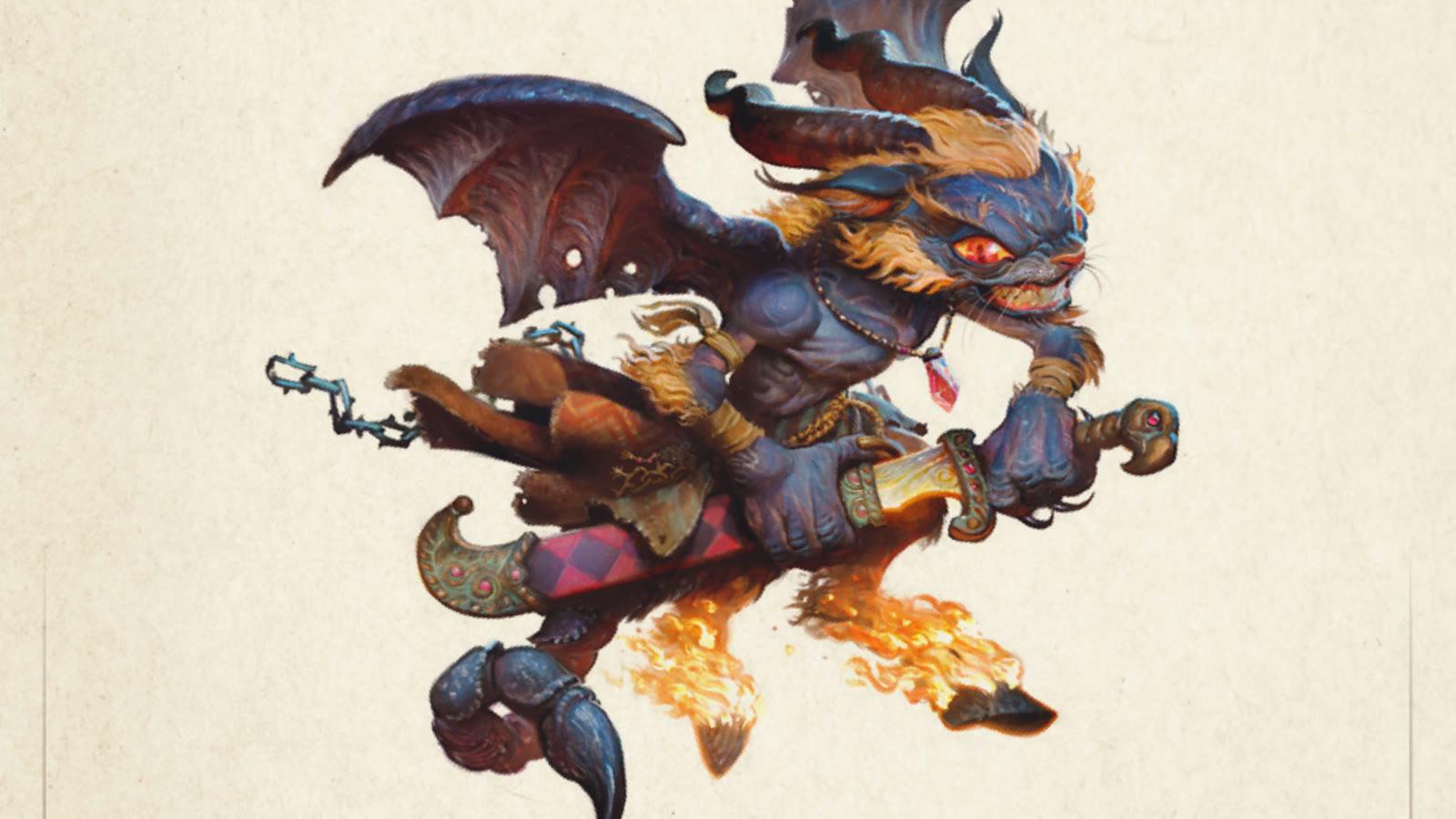
The bestiary is fun, and it's one of my favorite parts of the Monsters & More book too. This is a lighter version, but it's still fun. I love the little treasure blocks for each group of monsters, like the goblins' "live mouse (a snack for later)." Like Monsters & More, the monsters are grouped by type or by location, like Dungeon Denizens and Hill & Field, so it's easy to find creatures that fit where the players are. I wish more monster manuals did this. But the small stat blocks leave no room to describe what these creatures are. Unless you know D&D monsters well, you might struggle with something like an Ettercap or a Nestweaver. I have no clue what a Nestweaver is.
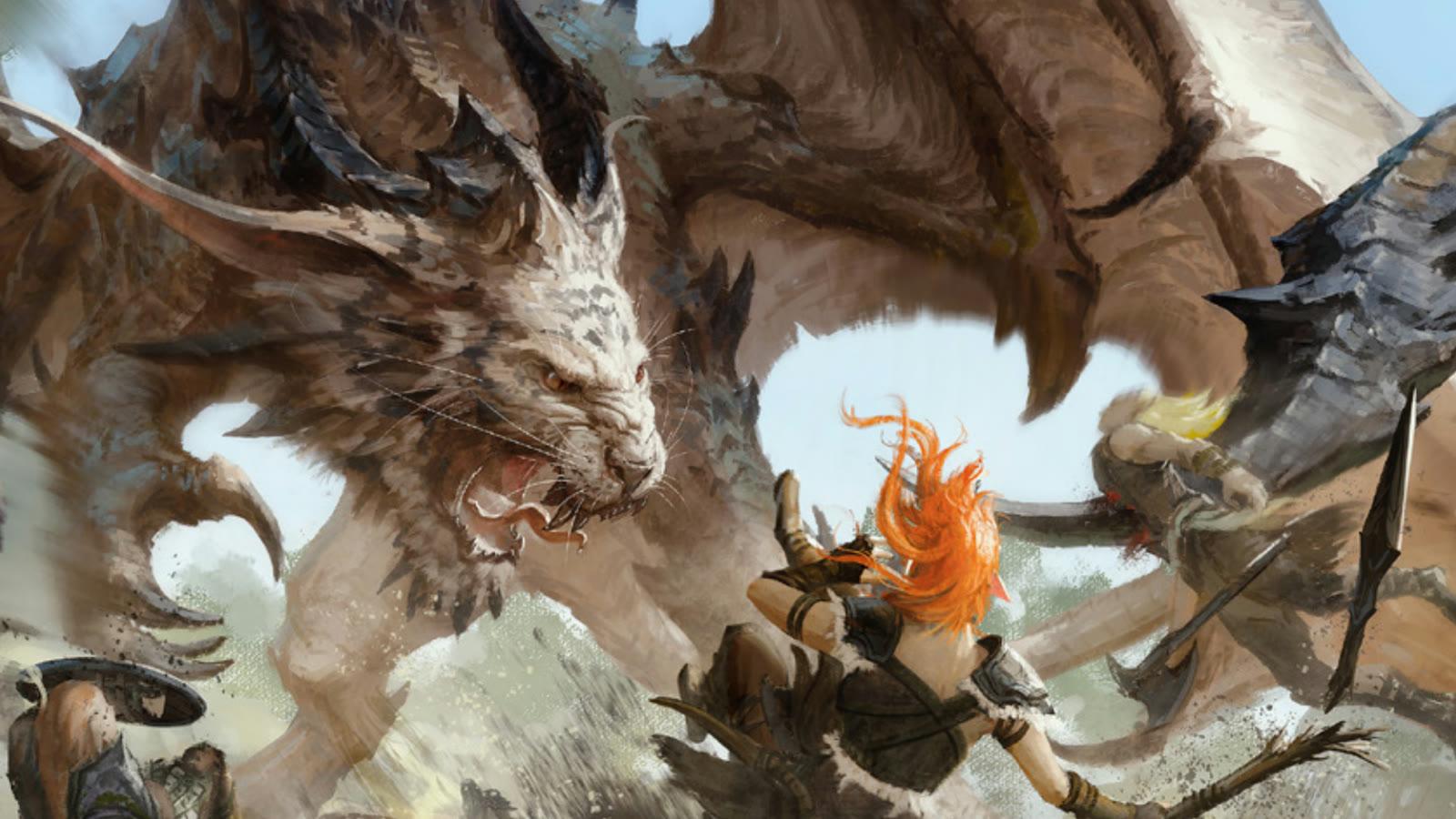
The art is amazing again. Evan was in charge of the art direction, and he did a phenomenal job, keeping the art clean and evocative.
Value19/20
Value is hard to judge on its own, because the three books come as a bundle, so I'm keeping it the same as the Core Rules: a 19.
Who it's for
New GMs, who get a wealth of advice and a monster builder they can actually use, and 5e GMs who want encounter prep they can do in their head. If you've got a shelf of 5e adventures, the conversion lets you bring them along.
The verdict
A Hit. The monster builder, the encounter budgets and the legendary monsters are the easiest I've seen in any game, and the stat blocks give me only what I need. An adventure parked in the middle of the book and monsters with no descriptions keep Layout down, but this is the book that makes Nimble easy to run.
Not an affiliate link. We don't earn anything from it.